
Brisbane makes more sense when you follow its river. The bends in the water help explain the shape of its neighbourhoods, the location of its old wharves and the appeal of its modern waterfront. For visitors, that creates a city where a ferry ride, a gallery visit, a heritage walk and an evening meal can become parts of the same story.
This guide connects Brisbane history with the experiences you can enjoy today. Use it to understand the city before you arrive, choose places that interest you and build a sightseeing day with a little more meaning. For a wider introduction to current attractions and neighbourhoods, continue to our Brisbane city visitor guide.
Why Brisbane is called the River City
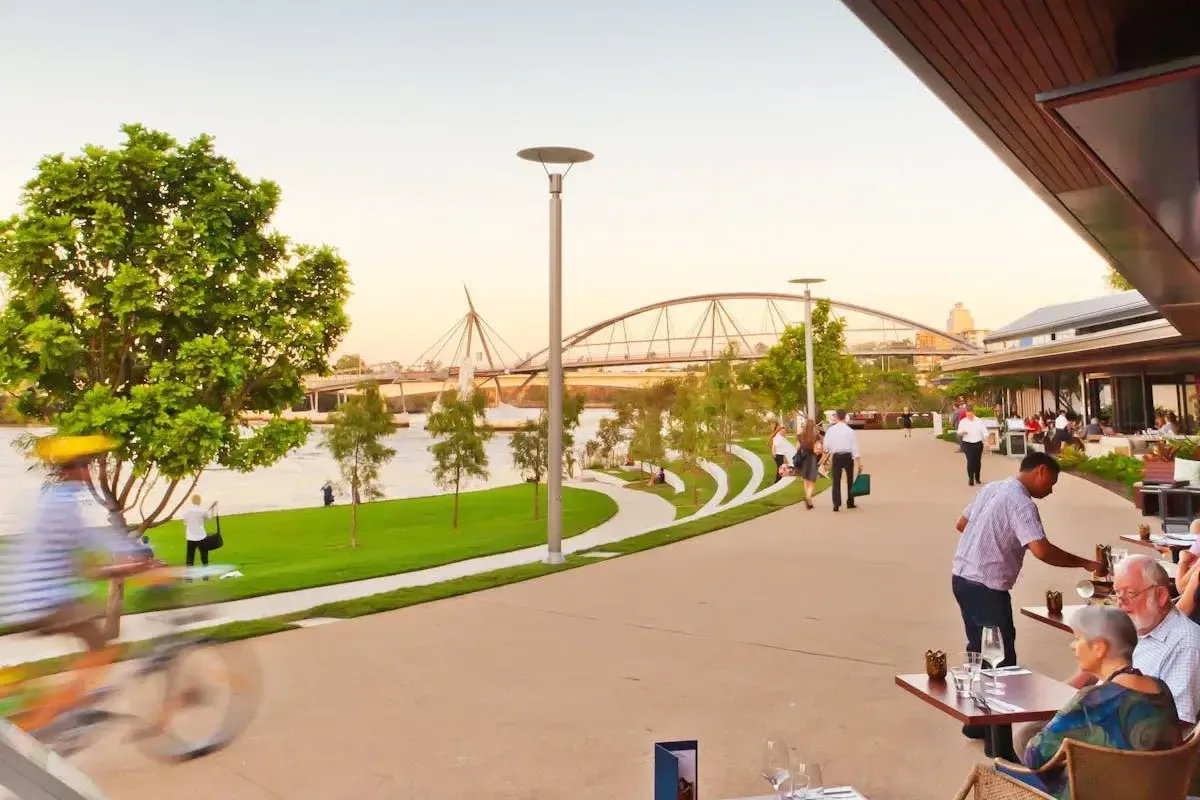
The Brisbane River is the thread running through the city’s identity. Look at a map and you can see how it draws the CBD, South Bank, Kangaroo Point and New Farm into a series of connected waterfront neighbourhoods. Stand beside it and the city becomes easier to read: bridges connect communities, ferries link different reaches and the skyline changes with every bend.
Brisbane City Council’s Reflections on the River Trail explores this relationship through the working waterfront, historical places and the effects of flooding. It is a useful reminder that the river has shaped everyday life as well as the view.
For a first visit, begin with a simple combination: spend time on one riverbank, cross to another precinct and leave room to stop along the way. You might enjoy the city skyline from South Bank, look back towards the CBD from Kangaroo Point or experience a different perspective from the water. Our Brisbane River cruise guide can help you explore sightseeing options.
The River City description also captures a particular travel mood. You can fill a day with organised activities, or keep the plan loose enough for a long lunch and an unhurried walk. The river gives both approaches a natural centre.

First Nations history and continuing connections
Brisbane’s story begins with the Aboriginal peoples who have cared for its lands and waters for generations. Turrbal and Jagera/Yuggera peoples are associated with the Brisbane area, and cultural connections continue through families, language, knowledge, art and contemporary community life.
Names and spellings vary between sources and communities. The State Library of Queensland’s language overview explains some of that complexity. It is more useful to approach those histories with curiosity and respect than to assume one short label can describe every part of the wider region.
Visitors can make cultural learning part of a Brisbane trip by seeking experiences led by First Nations people and reading the interpretation provided at cultural institutions. Check who is presenting an experience, which Country it relates to and what participation involves. Ask before photographing people, performances or cultural material where permission is relevant.
Colonisation brought dispossession and disruption to Aboriginal communities. A thoughtful heritage visit makes room for those experiences alongside architecture, civic growth and the stories of later arrivals. Learning about living cultures adds depth to the city you are visiting, rather than treating First Nations history as a finished chapter.
For groups, include the time and budget for an appropriate cultural experience when developing the itinerary. Allow the host or guide to determine how their stories are shared, and avoid promising an experience until its arrangements have been confirmed.
From Moreton Bay settlement to Brisbane town
The Moreton Bay penal settlement was established at Redcliffe in 1824 and moved to the Brisbane River in 1825. The National Museum of Australia places the selection of the Brisbane town site in May 1825, while noting uncertainty about the precise founding date.
The penal settlement ended in 1842, opening the district to free settlement. Queensland became a separate colony in 1859, with Brisbane as its capital. These dates describe the colonial development of the town within a much longer Aboriginal history.
For the documented account, see the National Museum’s history of Brisbane’s founding and the State Library’s Moreton Bay penal settlement overview.
When exploring the city, think about how a small settlement became a place of trade, administration and migration. A building’s original purpose can be as interesting as its appearance. Warehouses, stores, government offices and transport connections help explain the work that supported urban growth.
You do not need to memorise every date to enjoy a heritage outing. Choose a few questions to follow: why was a place built here, who used it, and how has its role changed? Those questions turn a collection of old buildings into a more engaging walk through Brisbane.
A growing capital and its civic landmarks
Brisbane became a municipality in 1859. Greater Brisbane’s amalgamated Council came into effect in 1925, bringing local authorities and joint boards into a larger civic structure. Brisbane City Hall opened in 1930, giving that growing city a prominent public landmark. Brisbane City Council documents these milestones in its Council history.
For a visitor, City Hall and the surrounding city streets offer a useful starting point for understanding civic Brisbane. Notice the contrast between public squares, heritage façades and the commercial city around them. Consider how buildings designed for ceremony and administration still contribute to a place used for shopping, work and leisure.
The official Brisbane history and heritage guide highlights Museum of Brisbane, City Hall and other cultural places. Check the relevant venue’s current exhibitions, tour requirements and access arrangements before planning your day around a particular activity.
A good city itinerary combines an indoor stop with time outside. You can look at an exhibition, walk a manageable section of the centre and pause for refreshments before continuing. That rhythm is especially helpful when travelling with people who have different interests or walking preferences.
Architecture provides a starting point for conversation, but the people behind it matter too. Look for interpretation about workers, residents, civic leaders and communities, and consider whose perspectives are represented in the story being told.
Story Bridge: an everyday crossing and a visitor icon
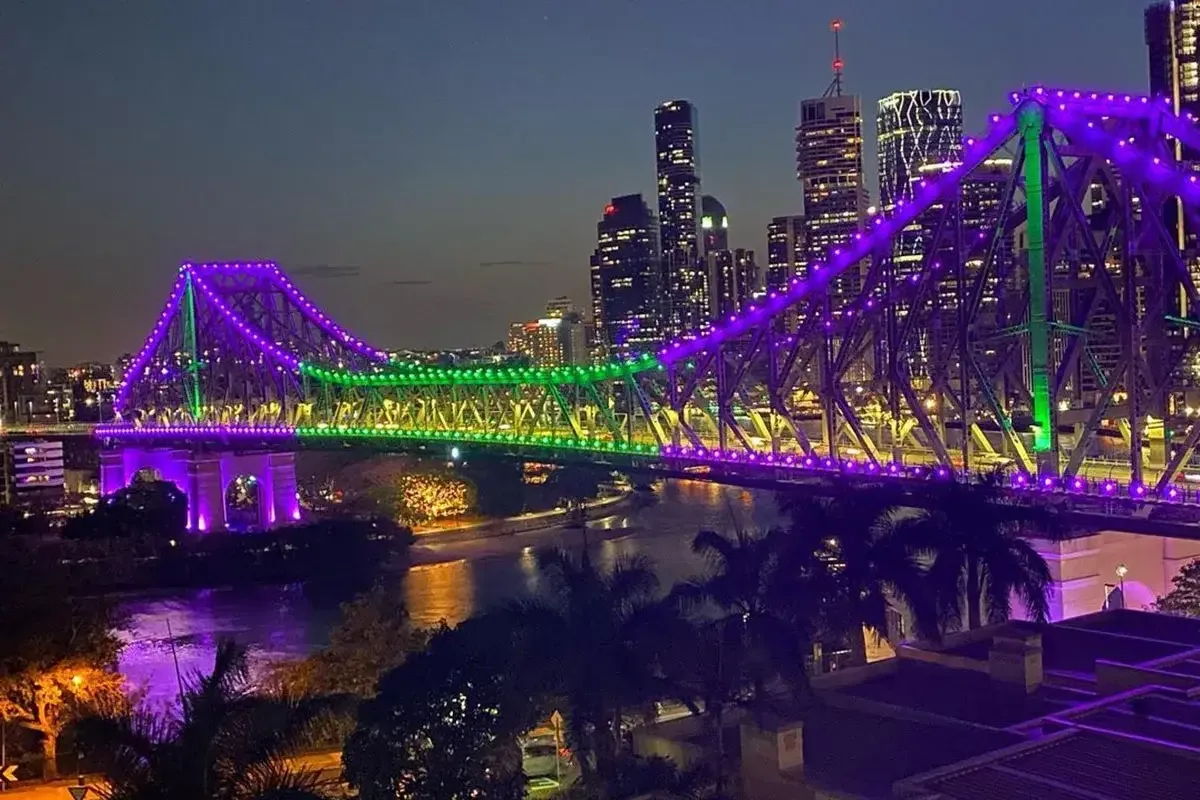
Story Bridge opened on 6 July 1940, following construction that began in 1935. Its role in connecting Kangaroo Point and Fortitude Valley made it an important piece of transport infrastructure. Today it is also one of Brisbane’s most recognisable skyline features. The Council’s Story Bridge history and renewal information explains its engineering background and continuing importance.
For sightseeing, the bridge offers a strong sense of place. You can appreciate it from river viewpoints, incorporate it into a city photography outing or explore available visitor experiences. Different positions reveal different aspects of the structure, so choose a viewpoint that fits the rest of your route.
If you are considering a bridge-climb activity, confirm the operator’s current availability, participation conditions and meeting point. An activity booking has different requirements from a relaxed stop to view the bridge from the riverbank.
For a group itinerary, explain what kind of experience you want. A short photographic stop, a walk and a booked attraction require different amounts of time. Build the rest of the day around the chosen activity rather than squeezing an important experience between transfers.
Our Story Bridge visitor information provides another starting point for planning a Brisbane sightseeing day.
Expo ’88 and the transformation of South Bank
World Expo ’88 brought a major international event to Brisbane’s riverfront. Held from 30 April to 30 October 1988, it introduced visitors to an energetic programme of national pavilions, entertainment and public gathering. The State Library’s Expo photographs and history offer a vivid window into that period.
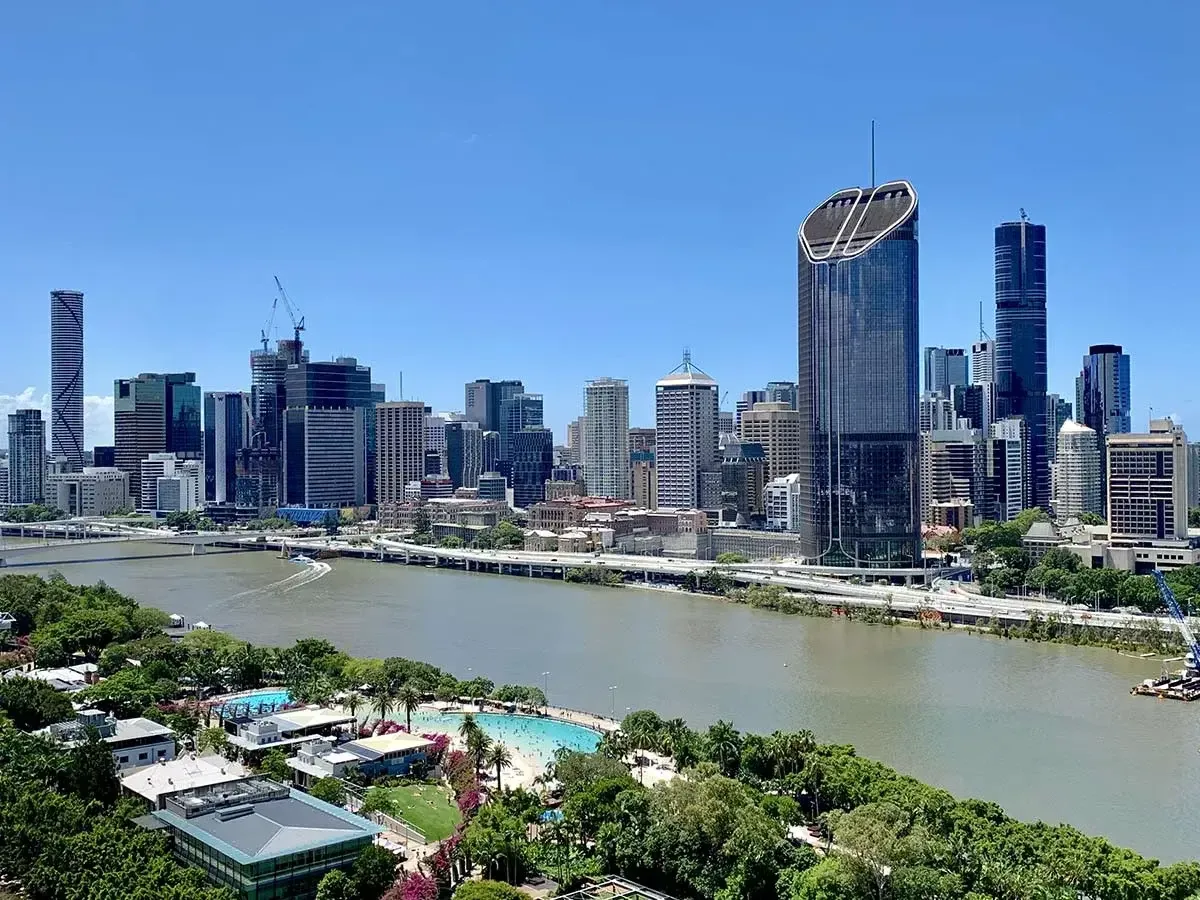
South Bank’s present-day visitor appeal developed through the years that followed. South Bank Corporation was established in 1989, and South Bank Parklands opened in 1992. Its official history traces the area’s evolution from a working waterfront through Expo to a major public leisure precinct.
That transformation helps explain why South Bank is such an effective place to begin a visit. You can enjoy the river setting while learning how the uses of a city change over time. A place once shaped by industry and major events now supports the everyday pleasures of walking, meeting, eating and spending time outdoors.
For families or mixed-interest groups, use South Bank as a flexible part of the day. Some visitors may want to explore the cultural precinct, while others prefer an easy stroll and time to sit by the river. Agree on a clear meeting place and a realistic amount of free time.
Continue to our South Bank visitor guide for local inspiration, or explore the broader South Bank Parklands guide when choosing how it fits into your Brisbane plans.
Brisbane history at a glance
Continuing connections to Country, culture and the river underpin Brisbane’s story.
The Moreton Bay penal settlement begins at Redcliffe and relocates to the Brisbane River.
The penal settlement ends and the district opens to free settlement.
Queensland separates from New South Wales; Brisbane becomes its capital and a municipality.
Greater Brisbane Council is established, followed by the opening of City Hall.
Story Bridge opens across the Brisbane River.
World Expo ’88 is followed by the development and opening of South Bank Parklands.
Use these milestones as signposts. The most rewarding sightseeing comes from connecting a date to a place, a community or an experience that makes it memorable.
How history connects with Brisbane tourism today
Brisbane tourism draws much of its character from the relationship between the built city and its outdoor setting. Visitors can explore public spaces, cultural venues and riverside neighbourhoods within the same stay, then use Brisbane as a base for nearby experiences. The city rewards curiosity as well as a checklist of major attractions.
A heritage focus can improve an ordinary sightseeing day. River views become more interesting when you understand the waterfront’s earlier role. A public park becomes a story about changing priorities. A bridge becomes a connection between communities, and a gallery visit opens a conversation about the people who have shaped Queensland.
There is room for different ways of visiting. A first-time traveller might want a city overview and a river experience. Someone returning to Brisbane can focus on a neighbourhood, a cultural interest or a food itinerary. A private group can combine a few shared highlights with time for individual exploration.
Our website brings together Brisbane tours and experiences, places to explore and Brisbane travel ideas. Use the history here as context, then follow the guide or experience that suits your interests.
Keep the final itinerary practical. Choose a manageable area, leave time between bookings and confirm any attraction or activity arrangements. A satisfying Brisbane visit usually depends more on the quality of a few experiences than on the number of stops you can fit into a day.
Ways to experience Brisbane’s history
Follow a self-guided heritage trail
Brisbane City Council publishes heritage trails that introduce different places and themes. Pick a trail that matches the time, terrain and interests of your group. Read the route before setting off, and decide whether to complete it or enjoy a shorter section.
See the city from the river
The Council’s Brisbane River Heritage Trail can be explored using a CityCat. It provides a different way to connect places along the water. A public ferry journey and an operated sightseeing cruise are separate experiences, so choose the one that suits the amount of commentary and organisation you want.
Make time for museums and galleries
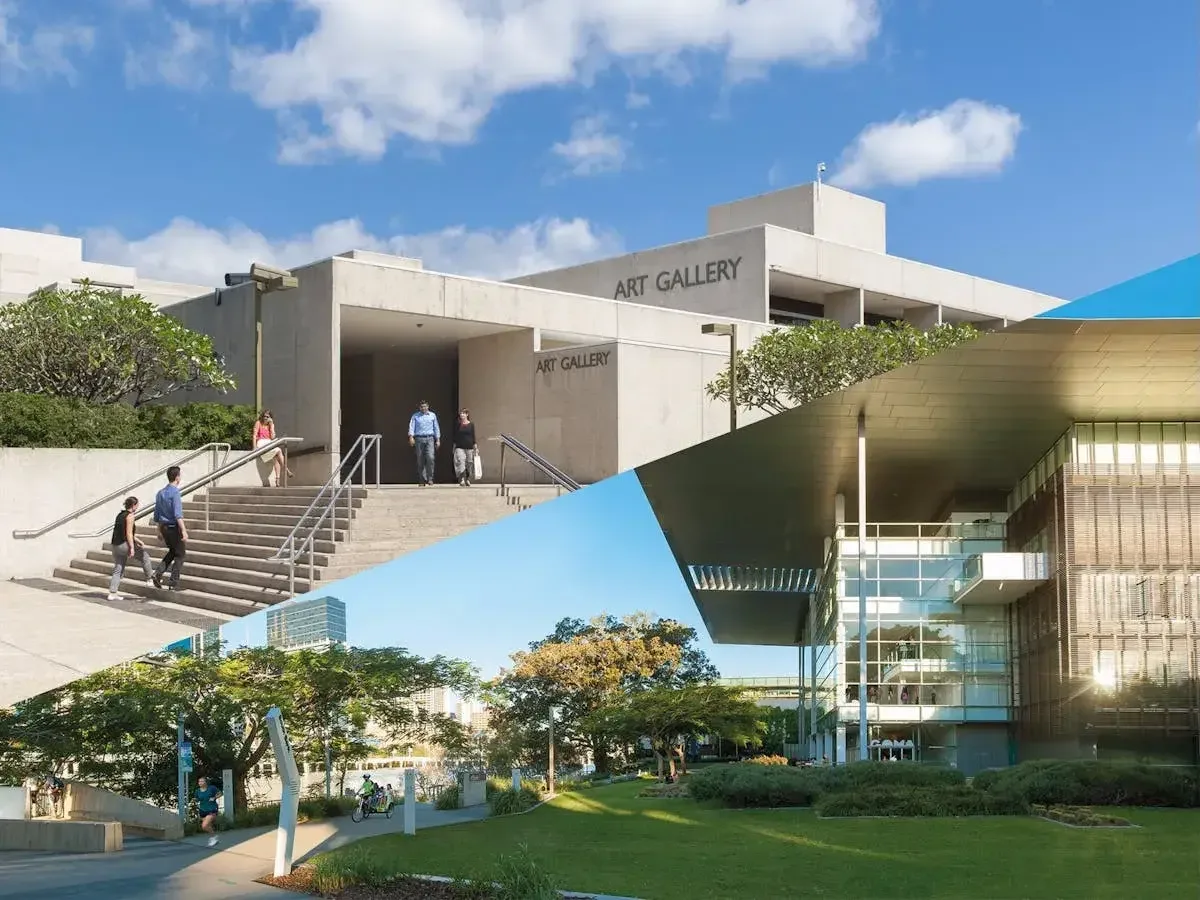
Pair an outdoor visit with a cultural stop to give the day variety. Review the venue’s current programme and choose a subject that will engage the people travelling with you. If you are visiting with children, one focused activity may work better than trying to see an entire collection.
Ask about a guided city experience
A guided outing can help a group understand the relationship between places. Tell the organiser whether your priority is heritage, general sightseeing, photography or an easy day together. Our half-day Brisbane sightseeing information and Brisbane city tour ideas can help start that conversation.
Choose the Brisbane places that interest you
Use neighbourhoods to organise your visit. Staying within a compact area for part of the day gives you more time to look around, understand what you are seeing and enjoy a spontaneous stop. You can then add a river journey or a planned transfer when you are ready for a different perspective.
Brisbane city centre
Choose the centre for civic landmarks, heritage streets and a first introduction to the River City. It makes a useful starting point when your group wants a mixture of culture and general sightseeing.
Explore Brisbane city →South Bank
Follow the story from Expo to today’s riverfront leisure precinct. Combine cultural interests with outdoor time, a meal or an unhurried walk beside the water.
Explore South Bank →Fortitude Valley
Include the Valley when you want to look beyond the main riverfront and explore another part of Brisbane’s urban character. Match the visit to the interests and pace of your group.
Discover Fortitude Valley →The wider Brisbane region
Extend your stay with a bayside outing or a nearby day trip. Treat these as additional experiences so that your city exploration still has room to breathe.
Find day trips from Brisbane →For a short stay, choose two areas you would most like to experience. For a longer visit, alternate city-focused days with nearby outings rather than packing every interest into the same timetable.
A history-inspired plan for your first Brisbane day
The following is a suggested way to organise a visit, rather than a scheduled tour or a promise that every venue will be available. Adapt the sequence to your accommodation, the weather and any bookings. Confirm current opening arrangements before committing to a particular attraction.
Morning: get to know the city
Begin with a manageable city-centre walk and a civic or cultural landmark that interests you. Give yourself time to read interpretation and notice the surrounding streets. A coffee break is a useful opportunity to decide what you want to explore in more depth.
Late morning: change your perspective
Move towards the river for a viewpoint or a planned river experience. Think about how the city uses its waterfront today and how that compares with the working river described in the heritage material.
Afternoon: explore South Bank
Choose a cultural visit, a riverside stroll or a relaxed lunch. Leave enough flexibility for different interests within the group, with a clear meeting point if people spend some time separately.
Evening: enjoy the River City atmosphere
Finish with a meal or a comfortable place to enjoy the changing skyline. Check your return transport before settling in, especially if you have an early departure or a fixed transfer afterwards.
If one part of the day becomes a highlight, allow it more time. You can return to the remaining ideas on another visit, or ask about a private itinerary with a stronger focus on your preferred theme.
Practical advice for Brisbane sightseeing
Plan walking and rest stops together
Think about distance, gradients, shade and the ability to sit down, rather than simply counting attractions. Describe mobility requirements before booking any guided activity. Ask about the actual route, vehicle access and facilities so the experience can be matched to your group.
Allow for outdoor conditions
Many of Brisbane’s most appealing experiences involve time outside. Bring suitable sun protection and water, check the forecast, and have an indoor alternative if conditions change. Moving a walk to a more comfortable part of the day can improve the whole itinerary.
Separate transport from sightseeing inclusions
Confirm exactly what a booking covers. Vehicle hire, a guided tour, admission to an attraction and a river cruise can involve separate arrangements. A clearly written itinerary helps everyone understand what is included and what they may choose to purchase separately.
Keep meeting points specific
Use an agreed address or clearly described location, rather than relying on a broad precinct name. Tell the organiser if passengers are staying at different hotels, and allow for boarding, comfort stops and the time needed to gather the group again after free time.
Leave space for discovery
A city visit feels more personal when there is time to follow an interest. You might want to stay longer at an exhibition, return to a viewpoint or stop at a café you noticed along the way. A little flexibility turns a carefully organised day into an enjoyable experience.
Enjoy the living city as well as its landmarks
A Brisbane visit can combine an interest in the past with the pleasures of the city today. You might begin with heritage interpretation, enjoy a café stop and spend the afternoon discovering a cultural precinct. The change of pace helps a history-focused outing feel like a holiday.
Food is a useful way to make the day social. Choose a lunch stop that allows the group to sit together and share what has interested them. For a larger party, ask about menu choices, dietary requirements and the time available for service before confirming the itinerary.
If coffee is part of your travel ritual, explore our Brisbane coffee experiences and café guides. You can build a short break into a city walk or investigate a separate coffee-focused outing. Confirm the arrangements with the venue or experience provider when planning a specific visit.
Our Brisbane food experience information offers another way to explore the city through local flavours. Keep a food-focused activity distinct from an ordinary meal stop so that everyone understands what is being proposed.
Above all, allow Brisbane to feel like a place people live in. Take time to observe the waterfront, enjoy a conversation or linger over a view. Those small moments often create the strongest connection between a city’s history and your own memories of travelling there.
Make the story work for your travelling group
Different visitors connect with history in different ways. Some enjoy dates and architecture; others respond to photographs, objects, personal stories or the experience of travelling on the river. Choose a format that will hold the group’s interest instead of assuming everyone wants the same type of tour.
For families, give children a small theme to follow. They could look for different bridge shapes, notice old and new uses of buildings, or compare the city from two riverbanks. Keep the tasks light and let their questions influence the route. A well-timed break is often more valuable than adding another stop.
For clubs, social groups or visiting friends, agree on the day’s main purpose before choosing the itinerary. A shared lunch and a few memorable sights may be the priority. A specialist group might prefer a focused heritage walk or a longer museum visit. Explain those preferences when requesting a quote.
For corporate visitors, consider how the experience fits around the wider programme. Clear pickup instructions, realistic return times and a manageable amount of walking help the outing work alongside meetings or an event. A shorter city introduction can still provide a strong sense of Brisbane.
When enquiring, include the travel date, passenger numbers, pickup location, preferred finish time and any access needs. Those details help turn an interesting idea into a practical Brisbane experience.
Brisbane history and tourism questions
Why is Brisbane known as the River City?
The Brisbane River connects many of the city’s central neighbourhoods and has shaped its transport, waterfront development and identity. Today, river views, crossings and journeys are an important part of the visitor experience.
When did the colonial town of Brisbane begin?
The Moreton Bay penal settlement relocated from Redcliffe to the Brisbane River in 1825. This colonial milestone sits within a much longer First Nations history.
How did Expo ’88 influence Brisbane tourism?
Expo brought an international event to the riverfront and helped demonstrate the appeal of public leisure beside the water. South Bank Parklands opened in 1992 after the area’s subsequent redevelopment.
Can I explore Brisbane history without booking a tour?
Yes. Council heritage trails and interpretation at cultural venues provide starting points for a self-guided visit. Check the route, access conditions and any venue requirements before setting out.
Is a ferry the same as a sightseeing cruise?
A public ferry is transport along a service route. An operated sightseeing cruise is a separate visitor product with its own inclusions. Compare the arrangements and level of commentary before choosing.
Can you help plan a private Brisbane sightseeing day?
Send your preferred date, passenger numbers, pickup point and interests through our enquiry page. Ask for a heritage emphasis if you would like history to shape the proposed city itinerary.
Explore the sources and keep discovering
This introduction brings together documented milestones with original visitor-planning ideas. For more detailed research, use the museum, State Library and Council sources linked throughout the guide. For current admission, opening times or an organised activity, confirm the arrangements directly with the relevant venue or provider.
- National Museum of Australia: founding of Brisbane
- State Library of Queensland: Aboriginal languages of Greater Brisbane
- Brisbane City Council: Council history
- State Library of Queensland: World Expo ’88
- South Bank Corporation: the precinct’s history
- Brisbane City Council: heritage trails
When you are ready to move from reading to exploring, browse our Brisbane tours, choose a Brisbane place to visit or ask about a private city experience.